About · 01

Sixteen years inside the systems that decide. Now operating outside them.

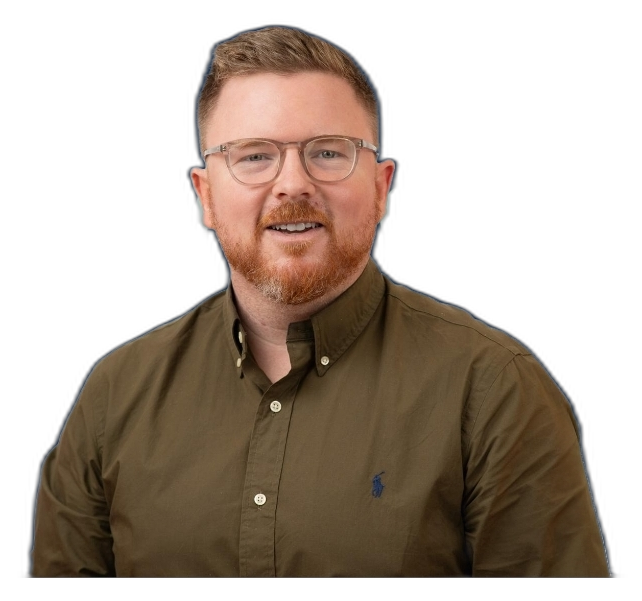
Systems That Decide is my independent advisory practice. It exists to answer the question your agency can't — because they earn on the answer. I'm Andrew Gilbert. Sixteen years inside the stack. Now operating outside it.

Andrew Gilbert
Andrew
Gilbert.
Independent advisory · Sydney

Sixteen years across the buy-side, sell-side and payments-native commerce media — including the launch of the first payments-native commerce media product in ANZ. The value of that time isn't the title. It's knowing where the decisions actually get made.

Brand Agency Publisher Adtech Payments Retail Media

One thing I got wrong · 02

The most confident-sounding consensus usually belongs to the people with the most to lose if it shifts.

In 2018 I was sure measurement would be solved by identity. The argument seemed obvious at the time. Identity infrastructure was about to consolidate, deterministic match rates were rising, and the long tail of cookie loss looked like an engineering problem.

I was wrong about most of it. The platforms that survived built their edge on signal modelling, not identity stitching. The lesson I carry into the work now is that the most confident-sounding consensus in this industry usually belongs to the people with the most to lose if it shifts.

The operator's view · 03

What sixteen years inside changes about what you can see.

Most analysis of the agentic shift is written from outside the systems. Read by people who have never run a P&L against them. The structural mechanics, the commercial incentives, the way contracts and product roadmaps actually get written, are not in the public conversation — because the people who know them are still inside.

I built the practice in that gap. The work is to translate what I saw from inside into clarity for the people now making decisions about it. The advice is direct. The analysis travels with the engagement, not the relationship.

The scale record · 04

Operator-level work across the buy-side, sell-side and payments-native commerce media.

2,550%
Revenue growth · Yahoo DSP AUSEA · 2019–2025
60%
ANZ market share built · Integral Ad Science
16
Years inside · Six categories of operator role
$0
Vendor commissions. Ever.
2022 — 2024

VP Advertising · Afterpay Ads (Block Inc.)

Launched the first payments-native commerce media product in ANZ. Designed the commercial model end to end and built the operating function that ran it.

2019 — 2025

Director Commercial & Solutions AUSEA · Yahoo DSP

Led the AUSEA commercial team across Australia, NZ and South-East Asia during 2,550% revenue growth. Senior operator across DSP, retail media and measurement.

2016 — 2019

Director, Sales · Integral Ad Science

Helped build Integral Ad Science in ANZ to roughly 60% market share. Senior commercial leadership across publisher, brand and agency sides.

2010 — 2016

Agency & brand-side · Starcom, Ikon, Vodafone

Earlier work on the agency side at Starcom Brisbane and Ikon Communications (Sydney / Brisbane), and brand-side at Vodafone. Six categories of operator role across the same set of systems.

The independence model · 05

Independence is not a claim. It is a model with no contracts pointing the other way.

§ 01

The recommendation doesn't lead anywhere else

The practice does not run media, configure platforms or stand up infrastructure. Recommendations are not a path to a build engagement.

§ 02

No platform in the room when the analysis is written

No platform partnerships. No reseller margin. No certification revenue. No co-marketing arrangements with the systems being evaluated.

§ 03

The answer doesn't change based on who's paying for it

No commission on what is recommended, named or unnamed. The analysis ends where the document ends. The next conversation is yours to have.

The mandate · 06

"The analysis is the product. I am not incentivised by what you buy next, but by how well you understand what you already have."
Andrew Gilbert · Founder

The advisory model · 07

How an engagement actually runs. What you own at the end.

A direct read on how the work actually runs. Designed to make a CMO confident they understand what they are buying before they call.

Scoping conversation

A 30-minute call. We discuss what you are trying to decide, what is already in motion, who else is around the table. The call ends with clarity on whether an engagement makes sense — and which one. Not a quote. Not a follow-up sequence.

What you own at the end

You own the document, the framework, the risk register, the analysis. It is yours to share with the board, the agency, the platform, the deal team. The client portal is the delivery and reference channel, not a paywall. There is no licensing, no subscription required to retain what you commissioned.

Where the work happens

Closed-room sessions with the people who decide. Pre-work and findings happen async. The cadence is calibrated to the engagement type. Short and dense for the Diagnostic, sustained and quarterly for retainer relationships, focused and time-boxed for transaction work.

What ends, what continues

A defined-scope engagement ends when the document is delivered. A retainer continues monthly with a six-month minimum. There is no auto-renewing contract. No notice period structured to make leaving expensive.

Get started

An independent view starts with one conversation.

30 minutes. I respond within one business day. No commitment, no quote at the end of the call.

Andrew Gilbert · andrew@systemsthatdecide.io · One business day to reply

If you're evaluating operator roles in adtech, commerce media, or retail media strategy — connect on LinkedIn or email andrew@systemsthatdecide.io.